PSI: Personality System Interaction Theory
Kuhl’s (University of Osnabrück) PSI theory describes, within the model of action control, four key brain systems that are essential for action control and, consequently, for the achievement of individual goals.
Our brain is highly complex and equipped with a wide variety of distinct functions, most of which are distributed across different areas of the brain. Nevertheless, there are networks that perform very specific functions. To make this complexity a bit more accessible, we have taken the liberty of simplifying the processes somewhat and will focus here on the collaboration of four very central functional areas in your brain that illustrate the process of processing and learning. Sustainable learning and the resulting action are only possible at all if both halves of your brain work together seamlessly, including the four major areas described below: intuitive behavior control, object recognition, holistic processing, and strategic networks.
The left hemisphere of your brain primarily processes information step by step, one piece at a time. The left hemisphere mainly processes numbers, symbols, letters, and facts. The right hemisphere, on the other hand, can process many different types of information simultaneously and therefore very quickly. It specializes in processing extensive and complex information—such as images, music, or experiences from the environment—all at once.
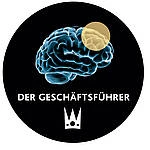
The Yellow System: The Inner Manager (Extended Memory)
This system encompasses all the neural networks in our brain that are capable of parallel processing—that is, networks designed to take in and process multiple pieces of information simultaneously. When this system is active, you have a clear overview of the situation, and your state of mind is characterized by calmness.
Think of this system as a kind of control center for your life experiences to date. It stores knowledge about your own desires and needs, as well as your social environment. This system enables you to answer the question of the “meaning” behind what you are learning. If you are unable to activate this “yellow system”—your inner manager—you will lack a sense of purpose in your learning, and thus your learning success will not be sustainable.
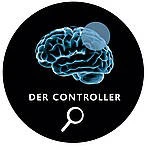
The Blue System: The Internal Controller (Object Recognition System)
This system brings together the neural networks that are discrepancy-sensitive—that is, those focused on detecting inconsistencies. Thus, this system can be understood as the inconsistency detector in our brain. Your emotional state, as related to this brain region, is inconsistent.
This is where you monitor your actions and plans, and where your error analysis comes into play. The blue system highlights any deviations from the “norm” that you have established based on your past experience. The inner controller can prevent you from applying this new knowledge if it is not sufficiently integrated.
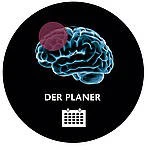
The Red System: The Internal Planner (Intention Memory)
This system encompasses all functional areas that process data sequentially, that is, step by step.
This part of your brain is responsible for conscious thinking and planning. Here, you are able to develop detailed work plans and steps of action before putting them into practice. This system requires a great deal of mental energy and plays a major role whenever you take in “new knowledge.” Your state of mind in this area of the brain is characterized by objective clarity.
Whether the “new knowledge” can be absorbed in a sustainable way depends on whether the connection between the red system—the inner planner—and the yellow system—the inner manager—is functioning well.
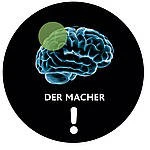
The Green System: The Inner Driver (Intuitive Behavioral Control System)
This system encompasses all networks that operate fully automatically and intuitively.
This part of your brain is where your intuitive behavioral control is located. This system becomes active as soon as you are able to actually apply newly acquired knowledge. Your emotional state in this area is positive and full of joy.
The more you use this system, the stronger the connections become—in other words, the more firmly the material is embedded in your memory. And you’ll gain the ability to turn what you’ve learned into a routine, allowing you to access that knowledge effortlessly. This will enable you to act with ease.