EOS (Development-Oriented Scanning) – Potential Analysis
The EOS (Development-Oriented Scanning) – Potential Analysis is a supportive tool for organizational, personnel, and personality development, developed by Prof. Dr. Julius Kuhl, an internationally renowned personality researcher, over 25 years of fundamental and applied research at the Max Planck Institute for Psychological Research in Munich. In the context of EOS potential diagnostics, individual behavior is viewed based on neurophysiological processes. This allows for the first time to explain the causes of behavior and subsequently change it through targeted potential development. The EOS method avoids typology, which ultimately reduces different traits to a behavioral tendency. Instead, Prof. Kuhl's method measures over 100 personality traits in isolation, which, in a flexible, system-dependent, and context-sensitive interplay, determine a person's specific behavior.
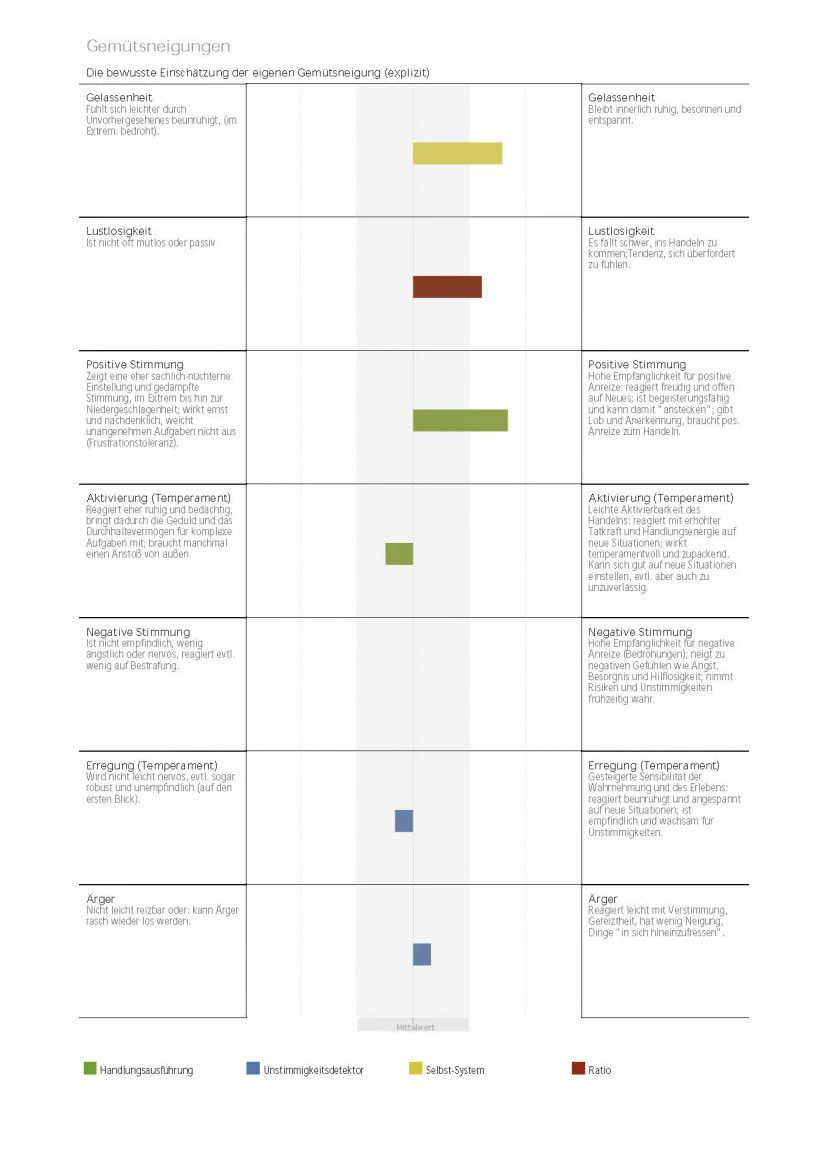
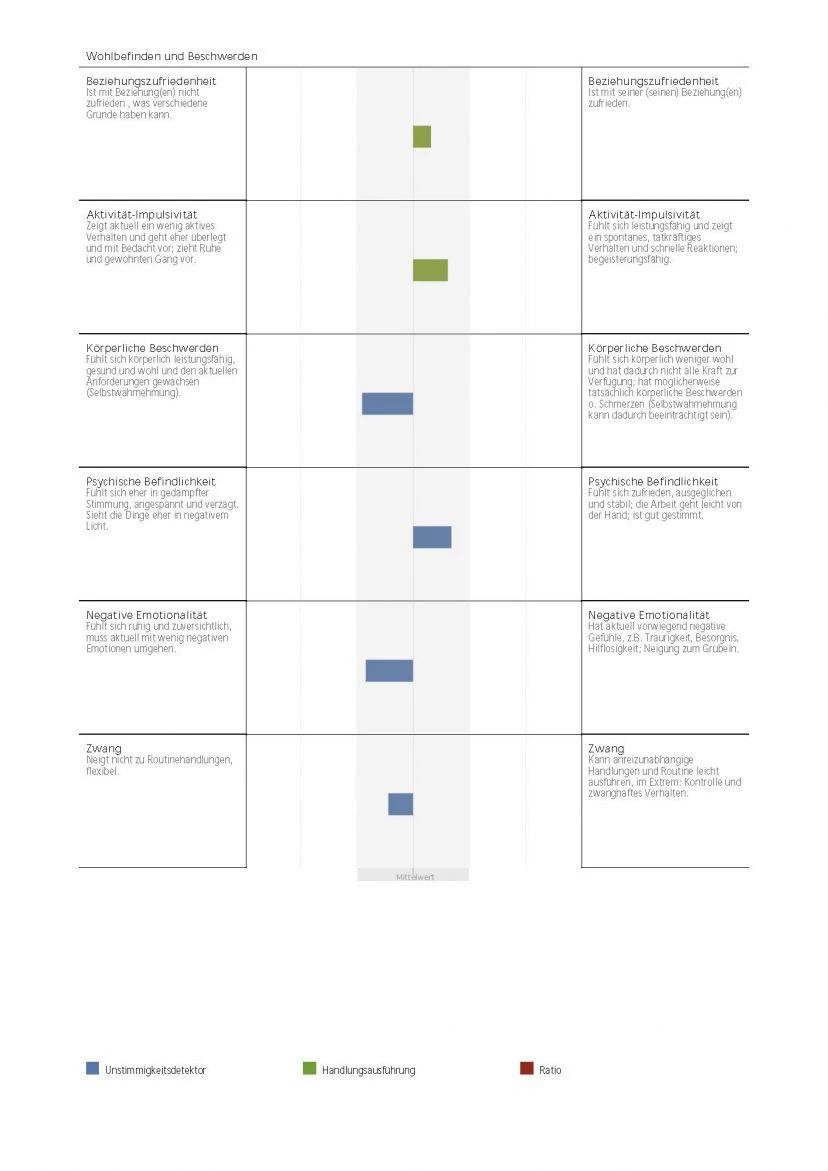
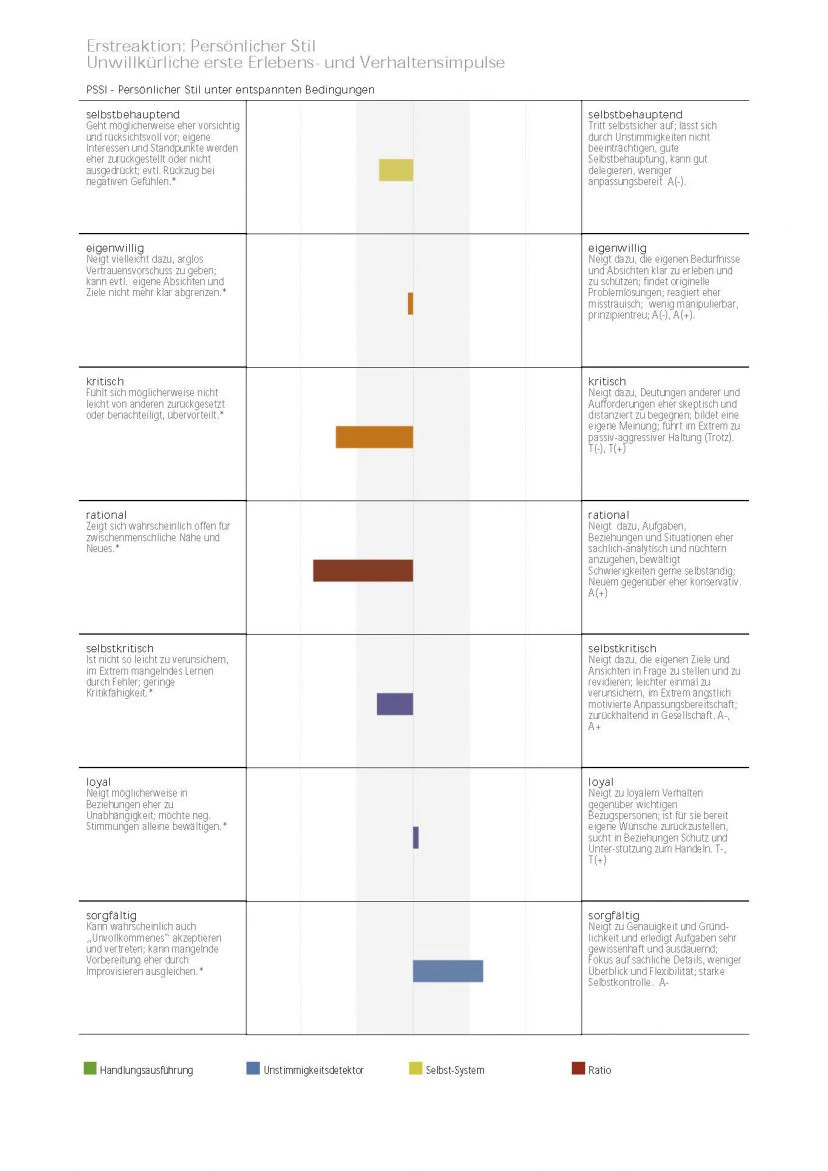
On an initial response level (i.e., spontaneous reaction), individual temperament dispositions and personal style are measured. On a secondary response level (i.e., goal-directed behavior), self-regulation skills under stress and load are assessed. This includes both conscious and unconscious psychological basic motives (such as asserting one's own goals, desire for achievement, and relationship needs).